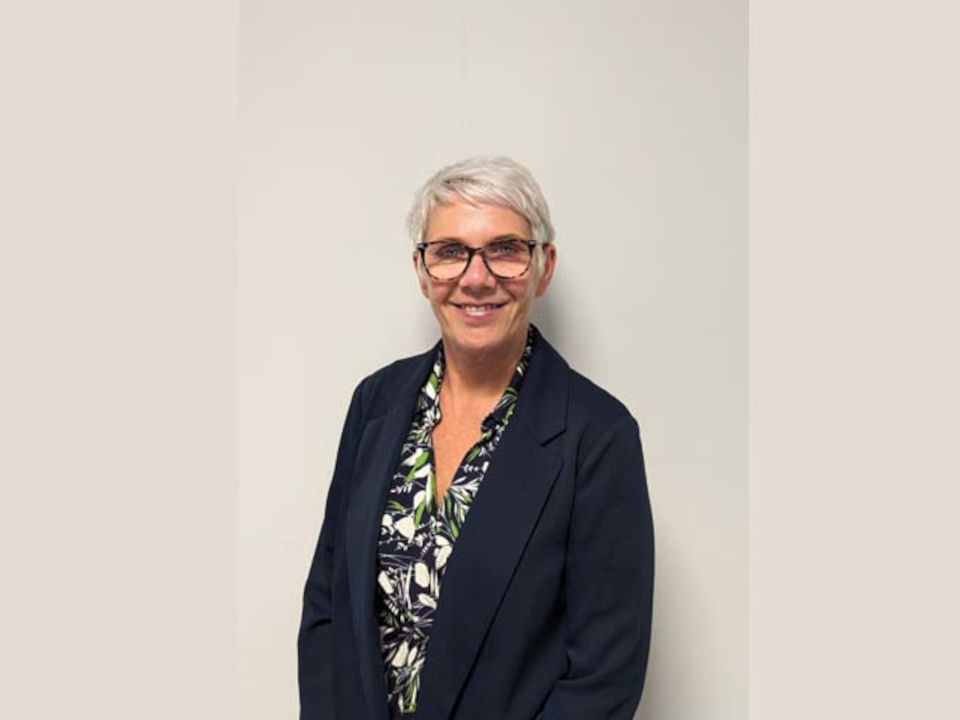


Heather Sandy
Chair of the ADCS Inclusive Education Policy Network
Executive Director of Children's Services and Deputy Chief Executive, Lincolnshire County Council
One of the best parts of working in children’s services is seeing the extraordinary variety of places in which children grow up. In Lincolnshire, that might be a busy market town, a coastal community or a small rural village.
Place matters. It shapes identity, relationships and belonging, and we should celebrate that. But where a child grows up should not determine the opportunities available to them. When we talk about equity in education, we rightly consider disadvantage and the barriers individual children face. Geography matters too.
For some young people, opportunities others take for granted come with significant practical hurdles. The sixth form or college offering the course they want may be miles away. Joining an after-school activity can depend on whether they have a way home. Access to employers, cultural experiences, enrichment and specialist provision can also vary considerably between rural and coastal communities and larger cities.
The fact that an opportunity exists does not mean every child can access it.
Growing up in a rural community is not inherently a disadvantage. These places offer real strengths: identity, connection, space and strong relationships between schools, families and communities. My own children grew up in a Lincolnshire market town and benefited enormously from that connection.
Our ambition should not be to make every place the same, but to ensure that a child’s postcode does not unnecessarily narrow their horizons.
This becomes particularly important as children approach adulthood. Careers advice, encounters with employers, further education, apprenticeships and workplace experiences shape what a young person believes is possible. Digital technology has opened new doors, but meeting people, visiting new places and discovering possibilities first-hand remain powerful.
Ensuring all young people can access these opportunities cannot be the responsibility of schools alone. It requires local authorities, schools and colleges, employers, the voluntary sector and communities to work together. That might mean thinking differently about transport, creating more opportunities to meet employers, or bringing enrichment and new experiences closer to the communities that need them.
For me, equity means being curious about the barriers that prevent some children from accessing opportunities others enjoy more easily and then doing something about them. It also means looking collectively at what is available across our communities and asking two important questions: who can access these opportunities, and who is missing out? Understanding the answer is the first step towards meaningful change.
Young people themselves must be part of this conversation. Their ambitions may challenge our assumptions about the places in which they are growing up. Some will want to build their future close to home; others will want to explore further afield. Both are equally valid choices.
Our role is not to choose for them, but to make sure geography does not make that choice on their behalf.
I want children to be proud of where they come from and able to see a future there if they choose. Equally, every child should have the confidence and opportunity to look beyond the horizon.