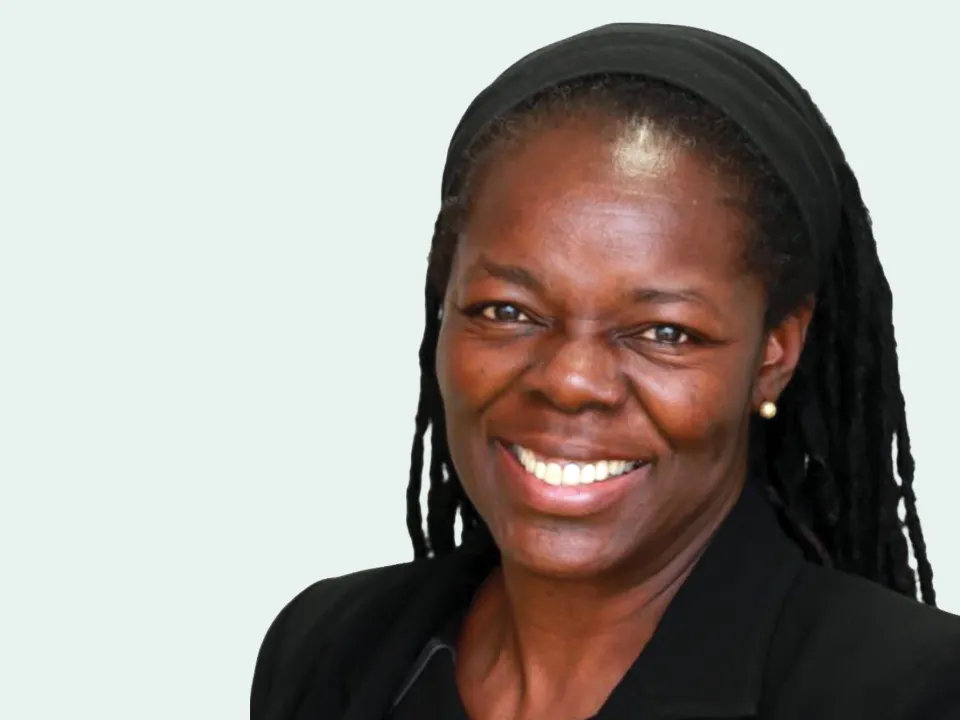


Amanda Fielding
ADCS Elected Director
Assistant Director, Education and Inclusion, North Yorkshire Council
Mainstream inclusion is often discussed as a challenge for schools, where children either feel they belong, participate and thrive or they encounter barriers. But if we are serious about creating a more inclusive education system, we must recognise a simple truth: schools deliver inclusion, but systems make it possible.
The renewed focus on mainstream inclusion is very welcome. The Inclusive Mainstream Fund recognises the increased capacity schools need if they are to effectively remove barriers to learning and participation, while the recently published SEND and inclusion materials offer practical classroom support. These developments matter, but funding, resources and training alone may not create the inclusive system we are seeking.
Inclusion is shaped by wider decisions about specialist expertise, early help, health support, workforce capacity, admissions and family services. When these elements work together, schools are better able to meet need. When they do not, even committed schools can face challenges they cannot resolve alone.
This is why inclusion is not a programme running alongside our system; it is a test of how our system behaves. It asks whether we are organised around the needs of children and families, whether support is available when it is needed, and whether partners are willing to take collective responsibility for creating the right conditions, while remaining accountable for their own contribution.
How we create those conditions will vary by place. Local capacity, geography, patterns of need and the realities facing schools differ across the country. What matters is not uniformity, but a shared commitment to ensuring every child can access high-quality education and support within their local community wherever possible.
Delivering this requires strong and courageous leadership: honesty about how well we are doing, listening when children, families and practitioners challenge our assumptions, and keeping partners engaged through difficult conversations. Collaboration does not remove accountability. Each partner has distinct responsibilities, but none of us can secure inclusion alone.
Persistent absence and high levels of suspensions and permanent exclusions provide another test of whether our system enables inclusion. While suspensions and permanent exclusions may occasionally be necessary, repeated use should prompt closer scrutiny. Rising rates of elective home education should also prompt us to look for patterns, listen carefully and ask what our system needs to do better. Unmet need, anxiety, gaps in support or wider experiences call for curiosity as well as challenge, and partnership as well as accountability.
Ultimately, inclusion is measured not only by strategies and programmes, but by the difference they make to children’s experiences and outcomes. Do children feel welcomed and supported? Can they participate fully? Are they achieving and progressing alongside their peers?
Those are questions for all of us. We must support schools to develop inclusive practice while also asking whether the wider system consistently creates the conditions in which schools and children can succeed. After all, schools deliver inclusion, but systems make it possible.