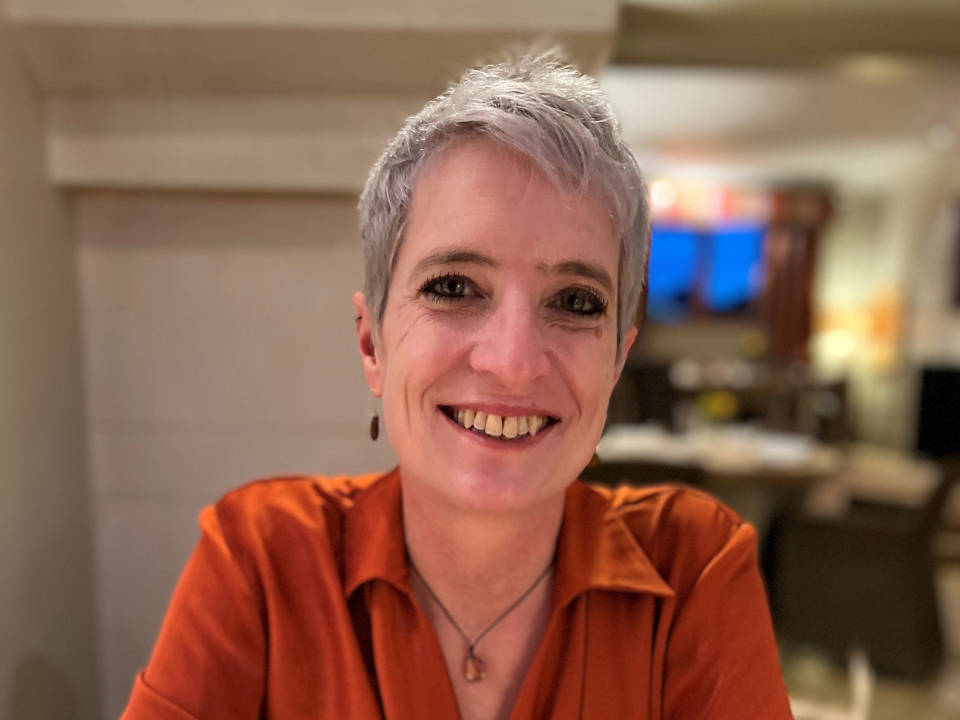


Helen Fergusson
North East Regional Chair
Strategic Director, Social Care and Lifelong Learning, Gateshead Council
The success of any transformation programme should be considered through the lens of the lives and views of those that the system is designed to support – whether families are getting the help they need, when they need it, and whether it is making a difference.
It is with this in mind that I have been reflecting on recent conversations I have had with some adoptive parents in my role as an executive board member of Adopt North East, and separately on discussions I’ve had with a colleague, and a friend, who is an adoptive parent. Both encounters were moving and impactful; full of love for the children in their lives and testament to their resilience as parents. However, both were also scattered with themes of frustration, anxiety and, at times, anger at systems and services which do not always feel joined up, timely, or appear to have the needs of adopted children and their families at their heart.
In these discussions, I heard about pathways into services which were complex and not easy to navigate – my child didn’t meet ‘the eligibility criteria’ for that service; the support that was available ‘wasn’t quite right for us’; and support that often only arrived ‘at the point of crisis’. Or the health professionals who ‘didn’t know’ that the child was adopted and as a consequence, there was a lack of professional understanding about the family history and context which caused unintended pain. There is a clear need to do more across our systems to really listen; to fully understand the experiences of these children and their families and then ensure that our systems of support offer something better.
We have a great opportunity to act in the light of the multiple reforms across children’s services; to pause and think about how our Families First for Partnerships Programme, SEND, the Best Start in Life, and Neighbourhood Health can be brought together in a coherent way and makes a difference for children and their families.
In discussions with my colleague, we reflected on the fact that adopted children and their families frequently interact with a wide range of services and systems, so are well placed to offer a unique perspective on the progress and impact of system transformations.
There is a moral imperative on us to ensure adopted children and their families are properly supported, given the harmful and traumatic experiences from their early lives. Children need help and support to heal, whilst their parents are navigating extra complexities of parenting at the same time as navigating complex services and systems of support. Failure to do this leads to risk of further trauma, re-traumatisation or family breakdown.
Keeping the experiences of these families in view, as we stress test change plans, will help us to harness the potential across the full range of reform programmes to create better and more integrated pathways of support; more relational approaches which meet the needs of children and their families prior to crisis.
Gaining a better understanding of how and why they are falling between organisational boundaries; and what support parents and carers in families need to recognise stress, burnout and the effects of secondary trauma, will help us to develop a stronger and more responsive system that better meets the needs of all children.