

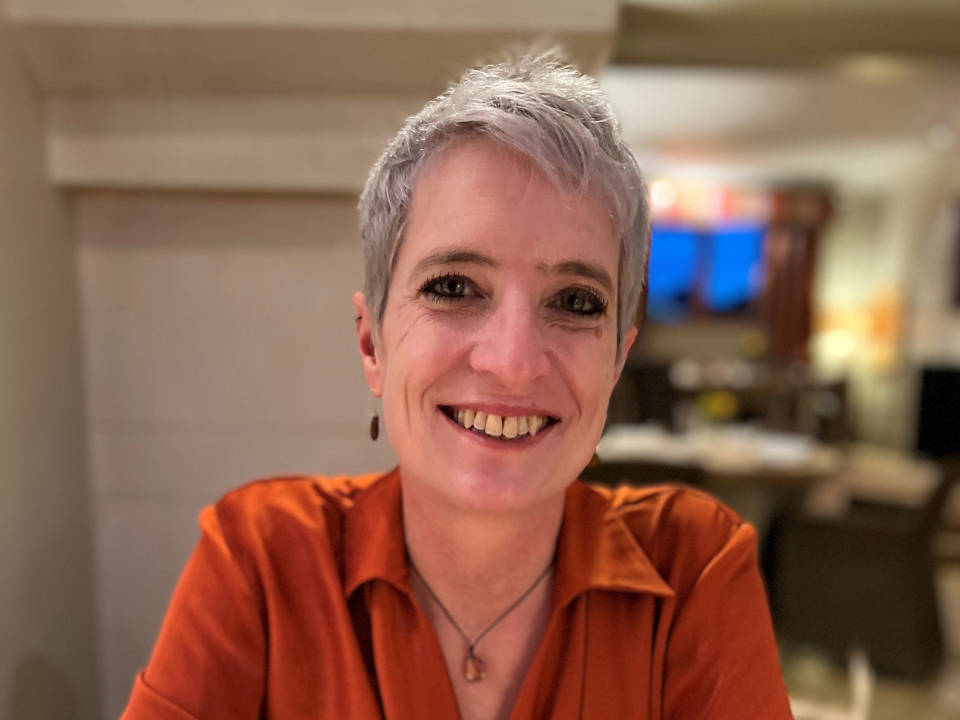
Carolyn Fair
ADCS Honorary Secretary
Director of Children's Services, East Sussex County Council
We talk a lot in children’s services about partnership with parents and carers; it is in our strategies, inspection frameworks and improvement plans. However, I wonder whether we are ambitious enough and really know what we mean by this. Partnership cannot simply mean inviting a parental representative into the room once the important decisions have been made, or professionals designing a system and then asking families what they think. Genuine partnership requires us to change the relationship.
For some families, their experience of public services has become increasingly adversarial. When help is difficult to access and dependent on assessments, thresholds or diagnosis, families learn that persistence and escalation can be the route to support. This is particularly visible in the SEND arena. We should be careful not to characterise this simply as a problem of parental expectation. Behind the parent who is frustrated and challenging as a result is very often somebody doing exactly what any of us would want someone to do for our own child: refusing to give up on them.
Parents will not always be right. Neither will professionals. Partnership does not mean avoiding difficult conversations or pretending there are no constraints. It means changing the question from “How do we manage expectations?” to “How do we build enough trust to work through disagreement together?”
Parents also have expertise that our systems cannot replicate. They know their children and know what it feels like to navigate our services. Some of the most powerful work I have seen is when parents move from being a stakeholder we consult with to people who teach us, challenge us, and help shape a new way forward. Sometimes the most powerful support is simply another parent saying: “I’ve been where you are. I understand.”
We are living through significant reforms across SEND, family help, safeguarding and social care systems and services. But there is a risk that we implement structural reform without achieving relational reform. We can create new teams, pathways and governance while leaving the fundamental relationship between families and the state unchanged.
The real test is simpler. When a parent sits across the table from one of our professionals, do they feel heard? Does their knowledge carry weight? Can they disagree with us without becoming our opponent? Do they leave feeling more capable, connected and hopeful?
Genuine partnership also means being honest about power. There will be decisions parents profoundly disagree with, particularly where our responsibility to safeguard and protect a child means reaching an agreement is impossible. Partnership means being clear about what families can influence, who is making decisions and why, whilst becoming more comfortable with challenge. Ultimately, children do not grow up in systems. They grow up in families and communities. Our services can be life-changing, even lifesaving, but our involvement is usually temporary. Relationships endure. That means keeping family, networks, community and belonging alive wherever we safely can, including for children who need to come into our care.
For me, changing that relationship is not an adjunct to reform. It is the reform. As directors of children’s services, perhaps one of the most revealing questions we can ask of the systems we lead is simply: “What does it feel like to be a parent here?”
And then we need to be brave enough to hear the answer.
The strongest children’s services will be those that learn to stand alongside families. To listen. To be honest. To share power. And to recognise that parents and communities are not simply people we serve. They are some of the greatest assets our children have.