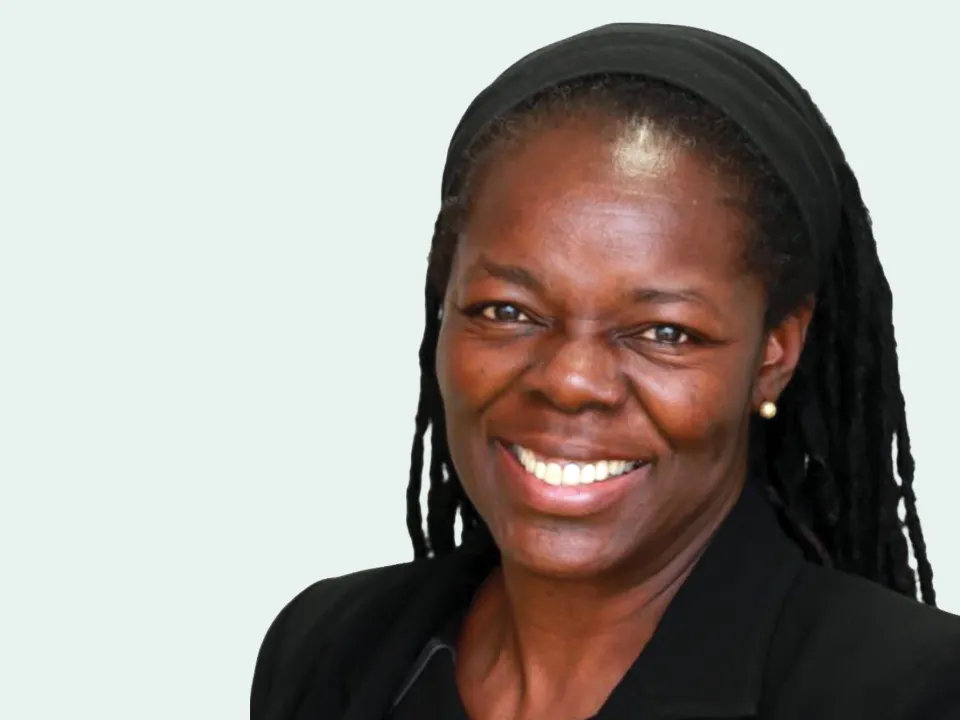


Nigel Minns
West Midlands Regional Chair
Executive Director for Children and Young People, Warwickshire County Council
As I am writing my final blog as a director of children’s services (DCS) in my capacity as Chair of the West Midlands region, it is impossible not to reflect on how the region has changed during my eight years as a DCS. There are so many different ways of measuring this and, while Ofsted gradings may not be the most important, they are the easiest to compare. When I attended my first WM DCS network meeting in 2017, there were no outstanding authorities in the West Midlands and four inadequate ones. There are now three outstanding local authorities and no inadequate ones. As I joined colleagues across the regional for the final time last week, I was struck by the pride I felt in the region and the achievements of so many, even though I had played no part in their success. It felt like I was recognising the achievements of family or friends.
This inspired me to think more deeply about regional working. As I was writing, I looked back at recent ADCS blogs and was struck by Sarah Nardone’s reflections on her first year as a DCS (Reflections, Learning and Looking Ahead: Leadership in a Time of National Reform – ADCS) and by how similar many of our thoughts were about the leadership challenges the sector is facing: navigating the Families First reforms in children’s social care; the forthcoming schools white paper with its proposals for SEND reform; and the newly published reforms to fostering and residential provision, including Regional Care Cooperatives. All of this in the context of ICB reforms and, for many, local government re-organisation.
While Sarah focused on the wider partnership working, I want to emphasise the importance of our ADCS networks. Without doubt, regional working has become more focused; perhaps even more professionalised over the last eight years. I am sure that necessity has been a part of this as regions have had to develop frameworks to address our placement challenges or regional agreements to address our workforce issues. I am sure the introduction of Regional Improvement and Innovation Alliances has played a part too. This focused work is a good thing!
However, there is another side to regional working too. Being a DCS has been the greatest privilege of my career and has become a part of my identity, but when I took on the role, I was warned that it could be a challenging and sometimes lonely position. There are certainly times when it has been the former, but never the latter. Of course, I owe much to my wonderful colleagues in Warwickshire, but it is also because of the support, the collective knowledge, and sometimes just the empathy, of the people across the region who share the same responsibilities and pressures. It has been my safe space.
I think this is equally true for assistant directors (whether of education or social care), principal social workers, heads of SEND or the plethora of other networks which exist. So, I have a parting plea. Of course, we must ensure that we have an oversight of these groups, and that they are focused on the things which matter to our local authorities, and on improving the lives of our children and families, but they must also remain as their safe space for professionals carrying out challenging roles; a forum for relationship building and resilience. We never know how much we may need it!